FAQ

Frequently asked questions

Short answers for planning Swiss via ferratas, starting with the K-grade scale shown on routes.

What do K-grades mean?

K-grades are the Hüsler via ferrata difficulty grades.

K-grade scale

K1

easy

Usually a well-traced path with comfortable protection for the terrain. Natural steps are common; where they are missing, short ladders, steps or rungs help, and exposed sections are protected by cable, chain or railing.
K2

moderate

The route already enters steeper rock in places, but is carefully protected. Steep or vertical passages are eased by ladders or iron rungs, and cables or chains protect even some easier sections.

K3

fairly difficult

Longer stretches run through steep and sometimes exposed rock, roughly around easy alpine climbing terrain, but with generous protection. Strong arm pulling should not be necessary, yet self-securing is expected.

K4

difficult

Steep rock with vertical sections, small natural holds and footholds, and occasional well-protected overhangs. Exposed or steep places may have only the cable, so arm strength and calm movement matter.

K5

very difficult

Routes in very demanding rock, often long, sustained and strenuous. Vertical or outward-pushing passages may be protected mainly by cable, with artificial holds only at the hardest points.

K6

extremely difficult

For very experienced climbers with strong arms, steady nerves and excellent fitness. Expect long, sparsely aided vertical sections that demand endurance; on sporty routes, extra rope protection or climbing shoes may help.

Route planning basics

What equipment do I need?

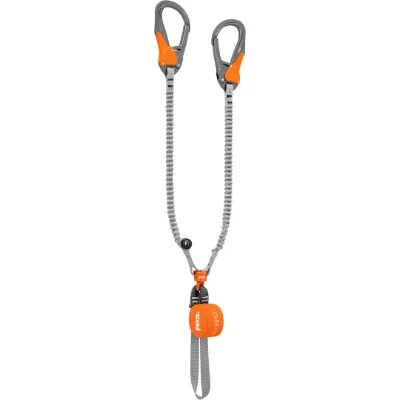
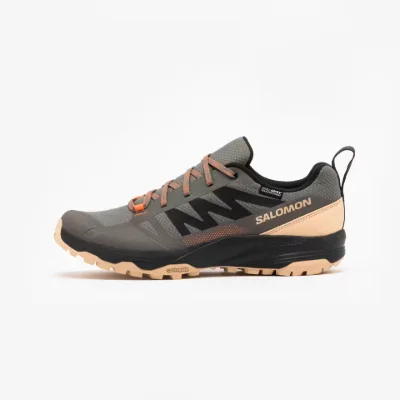
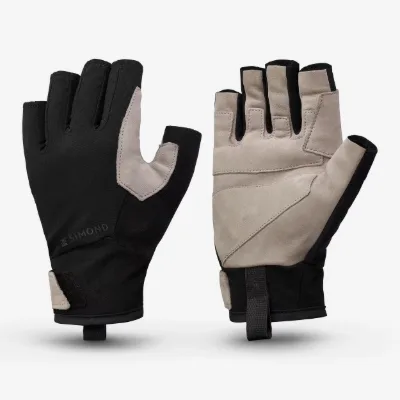
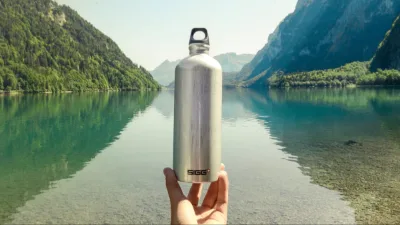
Bring the core via ferrata kit:

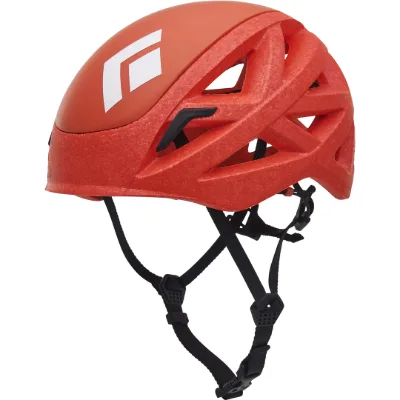
  • climbing helmet
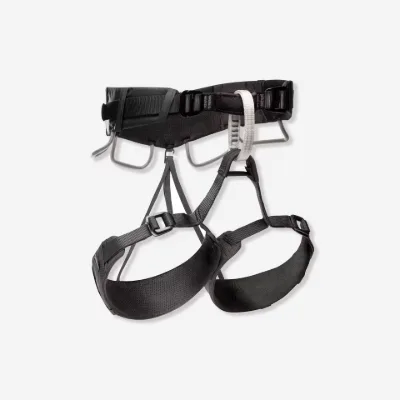
  • climbing harness
  • via ferrata set
  • hiking boots / trekking shoes
  • gloves (optional, personal preference)
  • water and snacks

Can beginners do via ferratas?

Yes, absolutely. If you have no experience yet, start with K1 or K2. If you have climbed indoors or bouldered before and feel comfortable with exposure, you can carefully try K2 or K3. If you are unsure, choose conservatively and build up step by step.

How do weather conditions affect via ferratas?

Good weather matters a lot. Stable, sunny, comfortably warm conditions are ideal. Wet rock, cold, poor visibility, strong wind, snow or ice are exactly what you want to avoid on a via ferrata.

What does "open" or "closed" mean?

Open means the route is generally reported usable; it does not guarantee perfect conditions. Closed means do not enter: maintenance, rockfall, snow, wildlife protection, or local restrictions may be involved. Always follow signs on site.

Can children do via ferratas?

Yes. Switzerland has specific children's via ferratas, beginner routes, and family-friendly via ferratas. Plan enough time, choose a suitable route, and enjoy the day. Important: many via ferrata sets require a minimum body weight of around 40 kg.

I do not have a perfect head for heights. Can I still try a via ferrata?

Yes. Start with an easy via ferrata such as K1 or K2 and allow plenty of time. Do not put pressure on yourself, avoid overdoing it, and turn back if it starts to feel like too much.

What should I check before leaving?

Check the weather, route status, last lift or public transport connection, and available daylight. If you do not have your own equipment, it is worth reserving it in advance.